Residential heating & cooling · Metro Detroit
AC Repair for Central Air Systems
Warm air, a silent condenser or ice on the line set — cooling faults measured, explained and repaired.
Overview
AC Repair, Explained.
A central air conditioner is two systems working together. Outdoors, the compressor and condenser fan reject heat; indoors, the evaporator coil absorbs it while the blower moves air across. Refrigerant carries heat between them. Most cooling failures fall into a few categories — electrical, airflow or refrigerant — and each leaves measurable evidence for a careful technician to find.
Paramount AC repair is built on measurement rather than guesswork. Refrigerant pressures, temperatures across the coil, electrical readings at the capacitor and contactor, and airflow through the system together describe what is actually happening. That evidence shapes the recommendation. If refrigerant is low, the conversation includes where it is going, not simply adding more and hoping the leak stays small through the rest of the summer. An air conditioner that has stopped cooling on a July afternoon is exactly the kind of call Paramount is here for.
The visit
AC Repair: What the Visit Involves
- 01
Electrical checks outdoors
The condenser is checked for power, a failed capacitor, a pitted or stuck contactor and fan motor condition. These components fail frequently in hot weather and are often the reason an outdoor unit hums but will not start.
- 02
Refrigerant readings
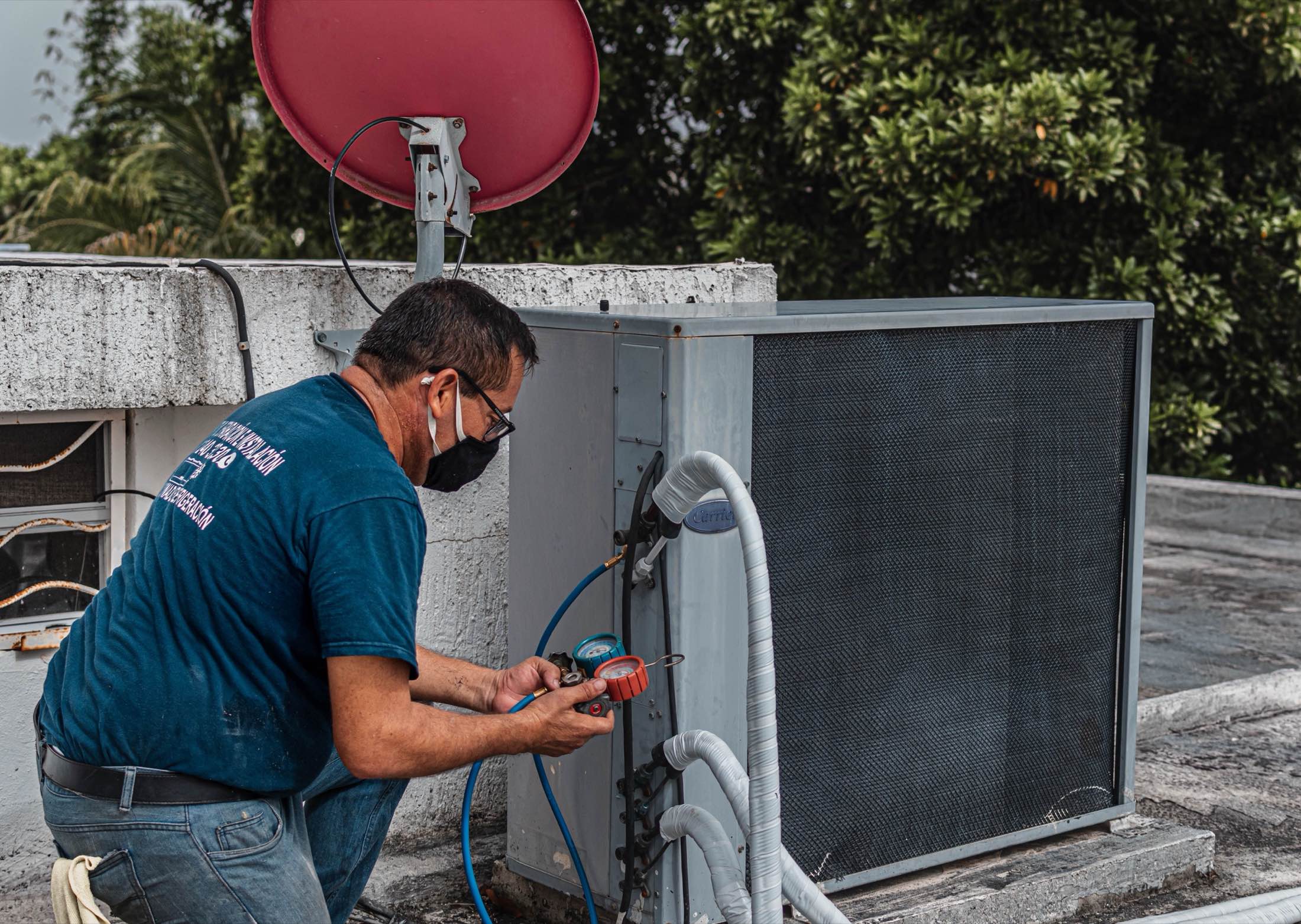
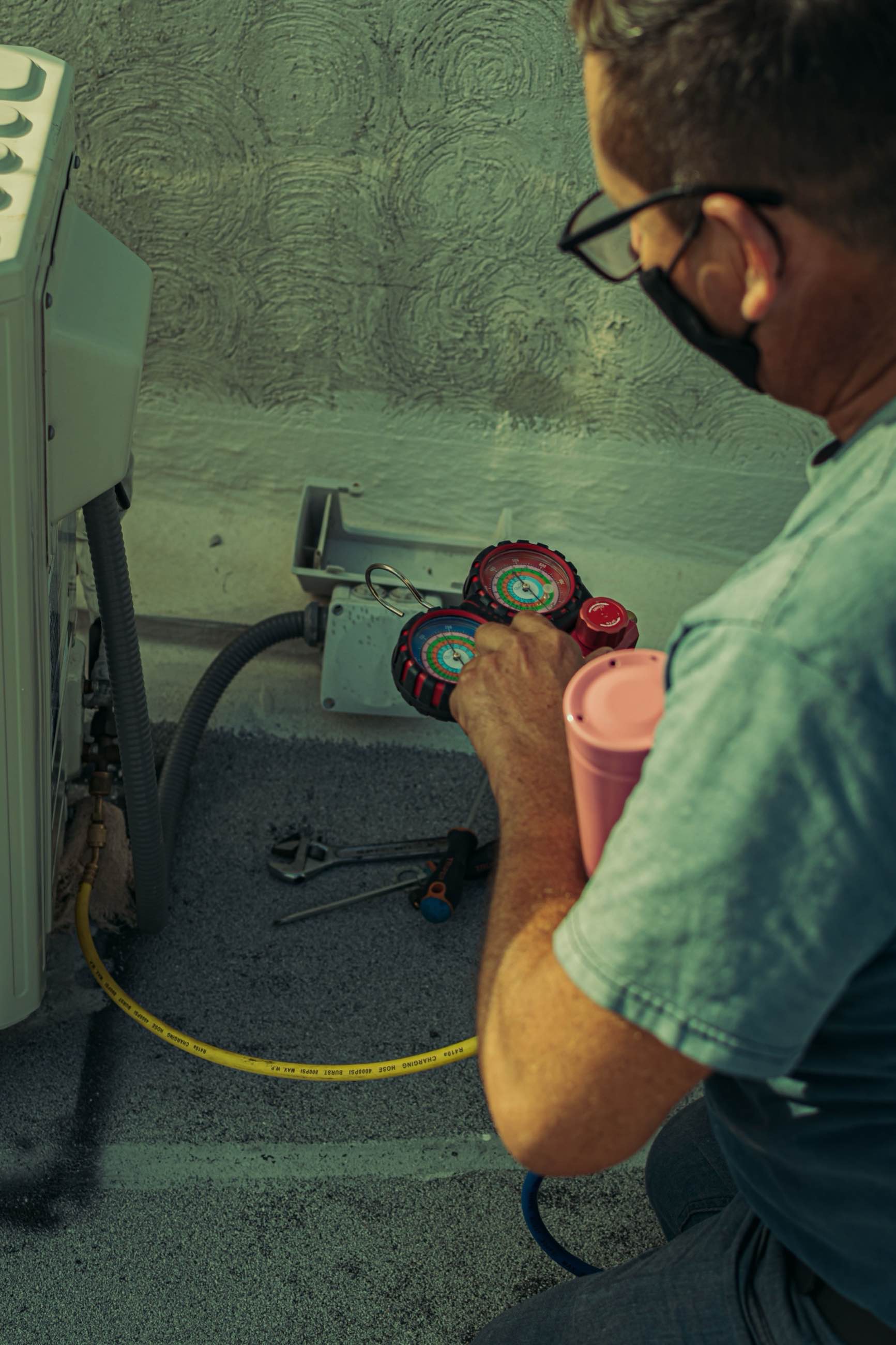
Gauges and temperature probes measure pressures, superheat and subcooling. Those numbers indicate whether the refrigerant charge is correct and whether a restriction, metering device fault or leak is affecting performance.
- 03
Airflow and the indoor coil
Filter, blower and evaporator coil are inspected, and temperature split across the coil measured. A dirty coil or restricted return can cause freezing and poor cooling that looks like a refrigerant problem but is not.
- 04
Drainage and explanation
The condensate line, trap and any safety float switch are checked and cleared where needed. You then receive a clear explanation of the fault, the repair options and anything else worth knowing about the system’s condition.
Why is there ice on my air conditioner’s lines?
Ice usually means the evaporator coil is running colder than it should. The most common causes are restricted airflow — a clogged filter, a dirty coil, closed registers or a failing blower — and low refrigerant charge. Turn the cooling off and let the ice melt rather than running the system, as continued operation can stress the compressor. The diagnosis then identifies which cause is responsible.
My outdoor unit hums but the fan does not spin. What is happening?
That combination frequently points to a failed run capacitor, which provides the electrical boost the fan motor and compressor need to start. A worn contactor or a seized fan motor can produce similar symptoms. These parts are tested with a meter rather than assumed, because the cause determines the repair, and running a unit in that state for long periods is not advisable.
Is it normal to need refrigerant added every summer?
No. An air conditioner is a sealed system, and refrigerant is not consumed during normal operation. If the charge is low, it has leaked somewhere — at a fitting, a valve, the outdoor coil or the indoor evaporator coil. Locating the leak and discussing whether it can be repaired is a better long-term approach than recharging the system each season.
Why does my air conditioning turn off and water appear near the furnace?
Air conditioners remove moisture from the air, and that water drains away through a condensate line. When algae or debris clogs the line, water backs up into the drain pan. Many systems have a float switch that shuts cooling off to prevent an overflow, which is a useful safeguard. Clearing and flushing the line usually restores operation, and the trap is checked as well.
Related services
Often Considered Alongside
-
AC Installation & Replacement
New central air sized to the home, with staging, placement and line set routing planned in advance. Explore -
HVAC Maintenance
Seasonal visits that check the furnace before winter and the air conditioning before summer. Explore -

Indoor Air Quality
Filtration, humidity and fresh air treated as one system, designed around the home’s existing HVAC. Explore
Service areas
AC Repair Across Our Priority Communities
Request a visit
Ask About AC Repair.
Tell us what you are noticing — a furnace not heating, an AC not cooling, a thermostat or filter question, or a tune-up. Small jobs are welcome. We will be in touch to arrange a visit.
- PhonePhone line coming soon
- ServingResidential homes across Metro Detroit