Residential heating & cooling · Metro Detroit
Furnace Repair, Diagnosed Before Anything Is Replaced
No heat, short cycles or a lockout code — the fault traced through the sequence and put right.
Overview
Furnace Repair, Explained.
A modern gas furnace starts in a fixed sequence: the thermostat calls, the inducer motor clears the flue, a pressure switch confirms draft, the igniter heats, the gas valve opens and a flame sensor proves the burner is lit. When any step fails, the control board stops the sequence and the house cools. Good repair starts by finding exactly where that sequence breaks.
That is the approach behind every Paramount furnace visit. Rather than swapping parts until heat returns, the technician reads the control board’s fault history, watches a full heating cycle and tests the components involved. The result is a clear explanation of what failed, why it likely failed, and what it will take to put right — so the decision about the repair is yours, made with the facts in hand. A furnace that will not heat is one of the most common calls there is, and it gets the same careful attention as a new installation.
The visit
Furnace Repair: What the Visit Involves
- 01
Fault history and the call for heat
The visit begins with what you have noticed and when. The technician reads any stored fault codes, confirms the thermostat is calling correctly and checks low-voltage wiring before looking deeper into the furnace itself.
- 02
Watching the ignition sequence
A full cycle is observed step by step: inducer start, pressure switch closing, igniter glow, burner light-off and flame proving. Where the sequence stops usually points directly to the component responsible, whether a worn igniter, a dirty flame sensor or a blocked vent.
- 03
Combustion and safety checks
With the furnace running, the burners, flue connection and draft are checked, the heat exchanger is inspected where it is accessible, and carbon monoxide awareness is part of the conversation. Anything of concern is shown and explained plainly.
- 04
Options, then the repair
You receive a clear account of the fault and the options for addressing it. Once you have decided, the repair is made, the furnace is run through several complete cycles and temperature rise is confirmed before the visit closes.
Why does my furnace start, then shut off after a few seconds?
This is one of the most common heating complaints, and it often traces to the flame sensor. If the sensor cannot confirm a flame — usually because of a thin layer of residue — the control closes the gas valve as a safety measure and retries. Other causes include a weak igniter, a dirty burner or a venting restriction, which is why the full sequence is checked rather than assuming the answer.
What does a blinking light on the furnace mean?
Most modern furnaces have an LED on the control board that flashes a diagnostic pattern, with a legend printed inside the access panel. The code narrows the search — a pressure switch fault, a flame failure, an open limit switch — but it describes a symptom rather than the root cause. A code pointing to the pressure switch, for example, may actually mean a blocked vent or a failing inducer motor.
What should I do if I smell gas or my CO alarm sounds?
Treat either as a safety matter first. Leave the home, avoid operating switches or appliances, and contact your gas utility or 911 from outside, following their instructions. Once the home has been cleared, a furnace inspection can look at the heat exchanger, venting and combustion to help identify the source. Carbon monoxide alarms on every level, and near sleeping areas, are widely recommended.
Can a dirty filter really stop a furnace from heating?
It can. A heavily loaded filter restricts airflow across the heat exchanger, which then runs hotter than intended. The high-limit switch senses this and shuts the burners off to protect the furnace, so the system cycles on and off and the house never quite warms. Replacing the filter is the first thing to check, but repeated limit trips are worth a proper look at airflow and ductwork.
Related services
Often Considered Alongside
-
Furnace Replacement & Installation
A replacement furnace selected from the home’s actual heating load, with efficiency and staging explained. Explore -
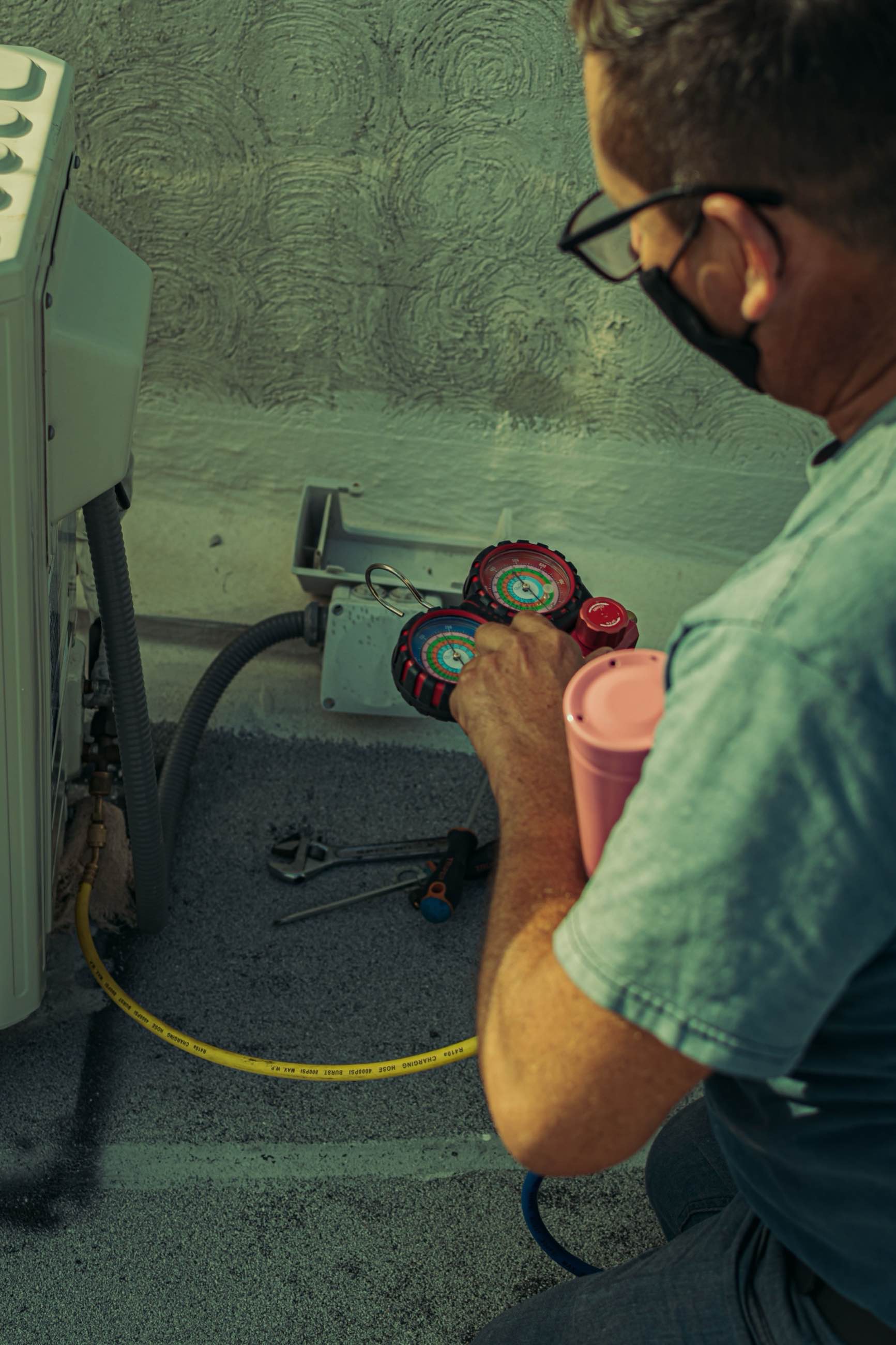
HVAC Maintenance
Seasonal visits that check the furnace before winter and the air conditioning before summer. Explore -
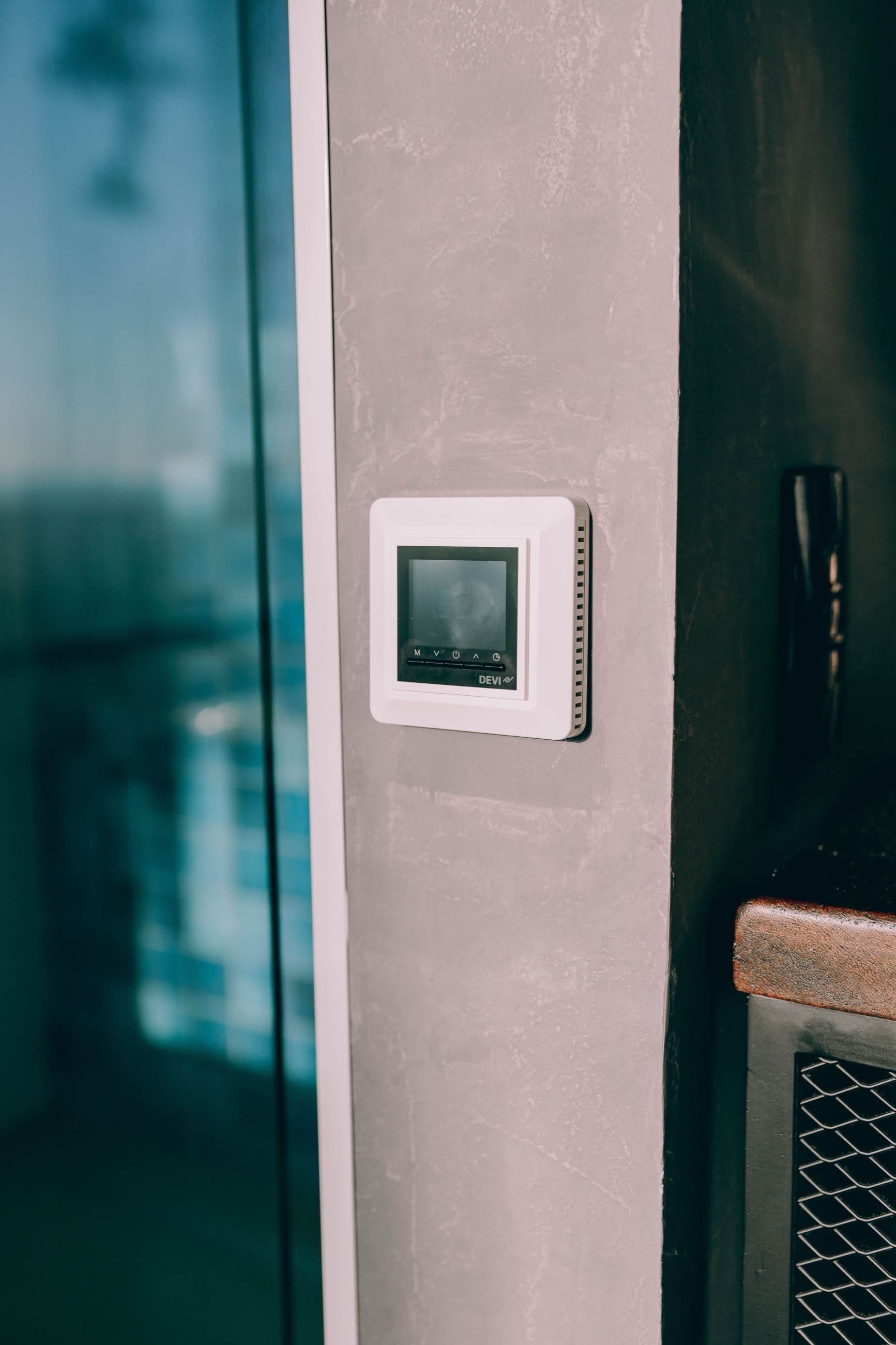
Thermostats & Home Comfort
Thermostats matched to the equipment they control, with sensors and zoning considered across the home. Explore
Service areas
Furnace Repair Across Our Priority Communities
Request a visit
Ask About Furnace Repair.
Tell us what you are noticing — a furnace not heating, an AC not cooling, a thermostat or filter question, or a tune-up. Small jobs are welcome. We will be in touch to arrange a visit.
- PhonePhone line coming soon
- ServingResidential homes across Metro Detroit